
How to Plan Easy Meals From Pantry Staples
Planning meals from pantry staples is a practical way to save time, reduce food waste, and make everyday cooking easier. Instead of starting with a recipe and buying a long list of ingredients, you can begin with what you already have and build meals around it.
A well-planned pantry does not need to be large or expensive. With a few versatile ingredients, a basic meal formula, and some simple preparation, you can create a variety of breakfasts, lunches, dinners, and snacks.
Start With a Pantry Inventory
Before planning your meals, take a quick look at what is available. Group similar ingredients together so they are easier to see and use.
Common pantry categories include:
– Grains such as rice, pasta, oats, couscous, and quinoa
– Canned foods such as beans, tomatoes, corn, and vegetables
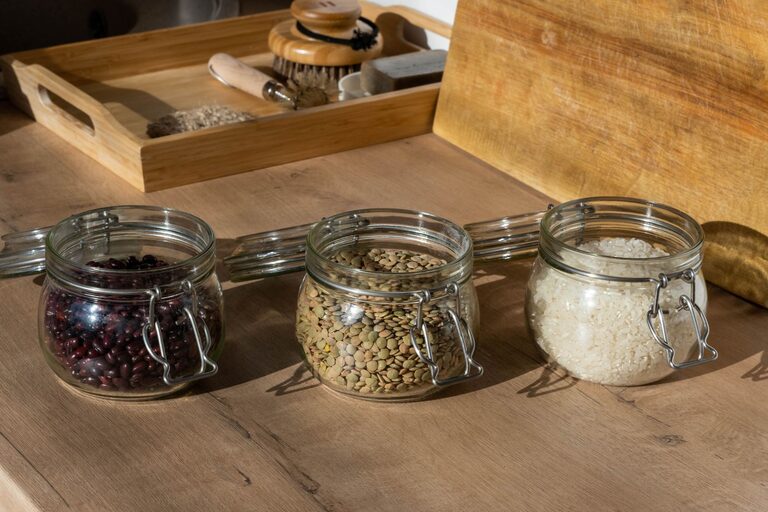
– Shelf-stable proteins such as canned tuna, lentils, peanut butter, and seeds
– Baking ingredients such as flour, sugar, and baking powder
– Flavor boosters such as broth, spices, soy sauce, vinegar, and cooking oils
– Snacks and breakfast items such as cereal, dried fruit, and crackers
Check expiration dates and place older items toward the front. You may also find ingredients that need to be used soon, such as an opened package of pasta or a nearly empty jar of sauce. These items should influence your meal plan.
Write down what you have or take a quick photo of each shelf. A simple inventory makes it easier to avoid buying duplicates and helps you spot useful combinations.
Use a Simple Meal Formula
You do not need a different recipe for every day. Instead, use a basic formula that can be adapted to the ingredients on hand.
A balanced meal often includes:
- A base, such as rice, pasta, bread, oats, or potatoes
- A protein source, such as beans, lentils, eggs, canned fish, or nuts
- Vegetables, either fresh, frozen, or canned
- Flavor, provided by herbs, spices, sauces, broth, or cheese
For example, rice, canned beans, frozen vegetables, and salsa can become a quick bowl. Pasta, canned tomatoes, lentils, and Italian seasoning can become a filling soup or sauce. Oats, peanut butter, and dried fruit can make a simple breakfast.
This formula keeps meals varied while allowing you to repeat ingredients in different ways.
Plan Around a Few Core Ingredients
Choose three to five ingredients that will appear in several meals during the week. This approach helps you shop efficiently and use food before it goes to waste.
For example, you might select:
– Rice
– Canned black beans
– Canned tomatoes
– Oats
– Peanut butter
From these ingredients, you can plan several meals:
– Oatmeal with peanut butter for breakfast
– Rice and black bean bowls for lunch
– Tomato and bean soup for dinner
– Rice topped with a fried or scrambled egg
– Oat and peanut butter snacks
You can add fresh or frozen vegetables, herbs, cheese, or sauces when available. The goal is not to make every meal identical, but to reuse ingredients in different formats.
Create a Weekly Meal Map
A meal map gives you structure without requiring a strict schedule. Write down ideas for each meal category rather than assigning a detailed recipe to every day.
For example:
Breakfast Options
– Oatmeal with cinnamon and dried fruit
– Toast with peanut butter
– Cereal with shelf-stable or fresh milk
– Eggs with rice or toast
– Smoothies made with frozen fruit and oats
Lunch Options
– Bean and rice bowls
– Pasta salad with canned vegetables
– Lentil soup
– Tuna or chickpea sandwiches
– Leftover dinner portions
Dinner Options
– Tomato pasta with beans
– Vegetable fried rice
– Lentil curry with rice
– Baked potatoes with beans and cheese
– Grain bowls with vegetables and a simple dressing
Snack Options
– Popcorn
– Crackers with peanut butter
– Trail mix
– Homemade oat bars
– Dried fruit and nuts
Leave one or two flexible spaces in the week for leftovers, takeout, or a meal made from ingredients that need to be used first. Flexible planning is easier to maintain than a rigid schedule.
Build Variety With Flavor Changes
The same basic ingredients can taste very different when you change the seasonings and cooking methods.
Try these simple flavor directions:
– Italian: canned tomatoes, garlic, basil, oregano, and olive oil
– Mexican-inspired: beans, rice, chili powder, cumin, salsa, and corn
– Mediterranean-inspired: chickpeas, lemon juice, oregano, olives, and canned vegetables
– Asian-inspired: rice, soy sauce, ginger, sesame oil, and frozen vegetables
– Mild curry: lentils, tomatoes, curry powder, and coconut milk
You can also change the texture. Turn cooked grains into a bowl, soup, casserole, or skillet meal. Use beans in a salad, mash them for a spread, or simmer them in a sauce. Variety often comes from preparation rather than from buying more ingredients.
Use Substitutions Confidently
Meal planning from pantry staples requires flexibility. If you are missing one ingredient, look for a similar option instead of abandoning the meal.
Useful substitutions include:
– Rice for pasta, couscous, or another grain
– Beans for lentils or chickpeas
– Canned tomatoes for pasta sauce
– Frozen vegetables for fresh vegetables
– Oats for breadcrumbs in some recipes
– Vinegar and oil for bottled dressing
– Dried herbs for fresh herbs
– Peanut or sunflower seed butter for other spreads
Keep the purpose of an ingredient in mind. If it adds bulk, choose another filling ingredient. If it adds moisture, use broth, tomatoes, or a sauce. If it adds flavor, try spices, herbs, or a small amount of vinegar or citrus juice.
Prepare Ingredients in Batches
Batch preparation can make pantry meals faster throughout the week. Cook a large pot of rice, pasta, beans, or lentils and store portions for later meals. If you have fresh or frozen vegetables, prepare several servings at once.
Helpful batch-prep tasks include:
– Cooking grains for bowls and side dishes
– Making a pot of soup or chili
– Mixing a basic tomato or vegetable sauce
– Portioning nuts, dried fruit, or crackers for snacks
– Washing and chopping fresh produce
– Preparing a simple dressing or sauce
Store cooked foods safely in covered containers and label them with the date. Plan to use older portions first.
Keep a Flexible Shopping List
After checking your pantry, make a short shopping list that fills gaps rather than replacing everything. Focus on ingredients that add freshness, protein, or variety.
Useful additions may include:
– Fresh or frozen vegetables
– Eggs
– Fruit
– Yogurt or cheese
– Bread or tortillas
– Fresh herbs
– Milk or a shelf-stable alternative
Buy ingredients that work across several meals. For example, tortillas can be used for wraps, quesadillas, breakfast tacos, or simple pizzas. A bag of frozen vegetables can be added to soup, rice, pasta, or stir-fry.
Make Pantry Planning a Routine
Pantry-based meal planning becomes easier when it is done regularly. Once a week, spend a few minutes reviewing your supplies, choosing core ingredients, and writing down meal ideas.
A simple routine might look like this:
- Check the pantry, refrigerator, and freezer.
- Choose meals that use items already available.
- Identify ingredients that need to be used soon.
- Plan three or four main meals and several flexible options.
- Create a short shopping list.
- Prepare one or two ingredients in advance.
The best plan is one that fits your schedule and cooking habits. By using a simple meal formula, changing flavors, and keeping your choices flexible, you can turn pantry staples into satisfying meals without relying on complicated recipes.
