
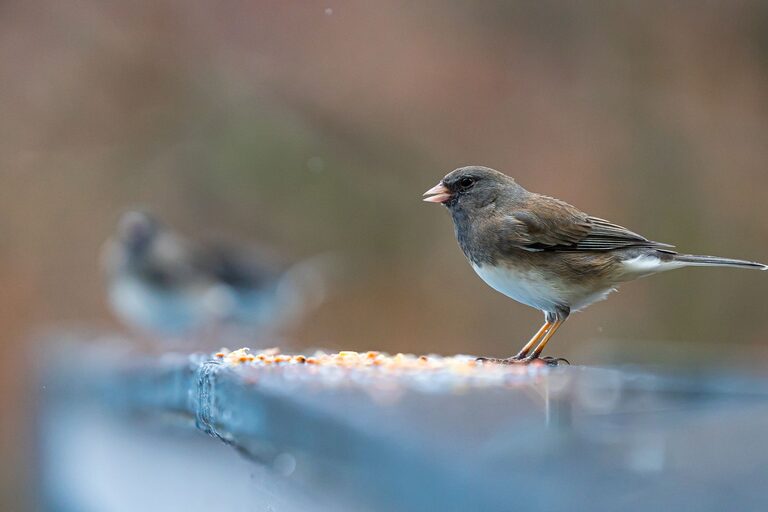
Beginner Tips for Backyard Birdwatching
Backyard birdwatching is an easy and rewarding way to connect with nature. You do not need expensive equipment, a large yard, or expert knowledge to get started. With a little preparation, you can observe fascinating bird behavior right outside your window, on a balcony, or in a small garden.
Birdwatching, also called birding, involves watching birds and learning to recognize them by their appearance, sounds, movements, and habits. The more time you spend observing, the more familiar local birds will become.
Start With Simple Equipment
You can begin birdwatching with little more than your eyes and a comfortable place to sit. A few basic tools can make the experience easier and more enjoyable.
Binoculars
Binoculars help you see details without getting too close to birds. For backyard use, a pair with 7x or 8x magnification is usually a good choice. Look for binoculars that feel comfortable in your hands and are easy to focus.
You do not need the most expensive model. A lightweight, affordable pair is often enough for beginners. Practice focusing on nearby objects before using them to watch birds.
Field Guide or Birding App
A field guide can help you compare birds by size, shape, color, and markings. Choose a guide that covers the birds in your region. Many birding apps also include photos, range maps, and bird songs.
When using an app, avoid spending the entire time looking at your phone. Observe the bird first, then check the app to confirm what you saw.
Notebook
A small notebook is useful for recording observations. Write down:
– The date and time
– Where you saw the bird
– Its size and colors
– What it was doing
– Any sounds it made
– Weather conditions
Keeping notes helps you notice patterns, such as which birds visit in the morning or which species appear during different seasons.
Make Your Yard Bird-Friendly
Birds visit places that provide food, water, shelter, and safe nesting areas. You can support bird activity by adding a few simple features to your outdoor space.
Add Native Plants
Native plants are adapted to your local climate and can provide natural food and shelter. Trees, shrubs, flowers, and grasses may offer berries, seeds, nectar, insects, and nesting materials.
Choose a mix of plants with different heights and bloom or fruiting periods. Evergreen shrubs can provide cover, while trees give birds places to perch. Flowering plants may attract insects and nectar-feeding birds.
Avoid trying to make every part of the yard perfectly tidy. Fallen leaves, seed heads, and small brush piles can provide useful habitat for birds and insects.
Offer Bird Feed Carefully
Bird feeders can attract birds quickly, but they should be cleaned and maintained regularly. Choose a feeder that is easy to refill and wash.
Different foods attract different birds. Black oil sunflower seeds appeal to many common backyard species. Millet may attract smaller ground-feeding birds, while suet can be useful during cooler weather. Always check which foods are suitable for birds in your region.
Place feeders where you can see them clearly but far enough from windows and areas with heavy foot traffic. Keep them near shrubs or trees that offer cover, but not so close that predators can easily hide nearby.
Provide Clean Water
A shallow birdbath can attract birds that may not visit feeders. Place it in a quiet location where birds have a clear view of the surrounding area.
Change the water regularly and scrub the basin as needed. A shallow dish is best, especially for smaller birds. Adding a few stones can give birds secure places to stand.
During freezing weather, check the water often. Always follow local guidance and use safe equipment if you choose to keep water from freezing.
Choose the Right Place to Watch
A quiet observation spot can make a big difference. Sit near a window, on a porch, or in a shaded part of the yard. Birds are more likely to behave naturally when they do not feel watched.
Wear neutral-colored clothing and move slowly. Sudden movements can cause birds to fly away. If you use binoculars, raise them gradually instead of making quick gestures.
Avoid standing directly beside feeders or nesting areas. Give birds enough space to move comfortably. A patient observer often sees more than someone who constantly changes position.
Learn to Identify Birds Step by Step
Bird identification can seem difficult at first. Instead of trying to memorize every species, begin with a few common birds in your area.
Notice Size and Shape
Start by estimating the bird’s size compared with familiar birds, such as a sparrow, robin, or crow. Then look at its overall shape:
– Is the body round, slim, or long?
– Is the tail short, long, pointed, or fan-shaped?
– Is the bill thin, thick, curved, or pointed?
– Are the legs short or long?
Shape can often help you narrow down the possibilities before color and markings.
Look at Color Patterns
Pay attention to the most noticeable markings rather than trying to remember every feather. Look for:
– Stripes or spots
– A bright patch on the wings
– A colored chest or throat
– A light or dark eye line
– Bars on the tail
– Contrasting colors on the head
Lighting can change how colors appear, so rely on shape and behavior as well as plumage.
Observe Behavior
Behavior is one of the most useful identification clues. Notice whether the bird:
– Hops on the ground
– Clings to tree bark
– Hovers near flowers
– Dips its tail
– Searches under leaves
– Flies in a straight line or swoops through the air
The place where you find a bird also matters. A bird feeding on the ground may be different from one searching tree branches or visiting flowers.
Listen to Bird Sounds
Birds often reveal their presence before you see them. Learn to recognize a few common calls in your neighborhood.
A song is often longer and more varied, while a call may be a short note used for contact or warning. You do not need to identify every sound immediately. Start by matching a sound with a bird you can see.
Keep audio playback quiet and use it sparingly. Repeatedly playing bird sounds can disturb birds, especially during nesting season. It is better to listen naturally whenever possible.
Watch at Different Times and Seasons
Bird activity changes throughout the day. Early morning is often a productive time because many birds are feeding and singing. Late afternoon can also offer good opportunities, especially near food and water sources.
Seasonal changes bring different birds and behaviors. Some species stay in the same area year-round, while others pass through during migration. Keep watching throughout the year so you can compare what changes.
Rain, wind, and temperature can also affect activity. Calm mornings may be especially active, while birds may be harder to spot during strong wind.
Practice Responsible Birdwatching
Good birdwatching puts the well-being of birds first. Follow these simple guidelines:
– Keep a respectful distance from nests and young birds.
– Do not handle eggs, feathers, or baby birds.
– Avoid trimming trees or shrubs during active nesting periods when possible.
– Keep cats indoors or supervise them outdoors.
– Clean feeders and birdbaths regularly.
– Remove spoiled food promptly.
– Avoid using bright lights or loud sounds near birds.
– Stay on paths when visiting public natural areas.
If a bird seems alarmed, repeatedly calls, or flies away from a certain spot, move back and give it more space.
Keep Learning and Enjoy the Process
You will not identify every bird correctly right away, and that is part of the fun. Focus on improving one skill at a time. You might begin by learning common backyard species, then move on to bird songs, seasonal visitors, or bird behavior.
Join a local birdwatching group, visit a nature center, or compare notes with other birders. Online communities and local organizations can also provide helpful information about regional species.
Most importantly, slow down and enjoy the experience. Backyard birdwatching is not a race to build the longest list. It is a simple hobby that encourages patience, curiosity, and a closer look at the natural world around you.
