
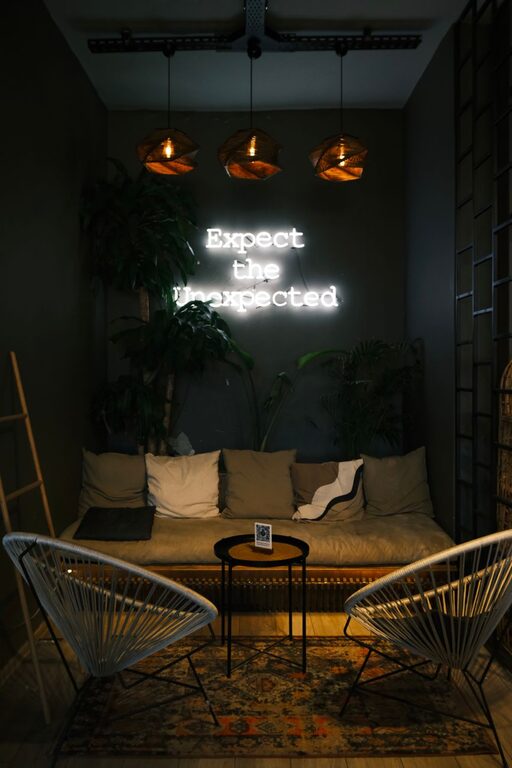
How to Choose Comfortable Lighting for Every Room
Comfortable lighting can make a home feel more relaxing, welcoming, and practical. The right lighting helps you read, cook, work, and move around safely without creating harsh glare or dark corners. It also affects how colors, furniture, and finishes look throughout the day.
Choosing lighting is not only about picking attractive fixtures. You also need to consider the room’s purpose, natural light, bulb type, brightness, and control options. With a few simple guidelines, you can create a lighting plan that feels balanced and comfortable in every part of your home.
Start With the Room’s Purpose
Each room needs lighting that supports its main activities. A living room used for reading and entertaining will need a different approach from a bedroom or hallway.
Before buying a fixture or bulb, ask:
– What activities take place in this room?
– Does the room receive a lot of natural light?
– Are there areas that feel too dark?
– Do you need focused light, general light, or both?
– Will the lighting need to change during the day?
For example, a kitchen usually needs bright, even lighting for food preparation, while a bedroom often benefits from softer light. A home office may require focused lighting on a desk, along with enough general light to prevent eye strain from strong contrast.
Use Layers of Light
A comfortable room rarely depends on one light source. Instead, it uses several layers that work together. This approach gives you more flexibility and helps prevent overly bright or shadowy areas.
Ambient Lighting
Ambient lighting provides general illumination. It may come from ceiling fixtures, recessed lights, chandeliers, or wall-mounted fixtures. Its purpose is to make the room easy to navigate and provide a basic level of brightness.
Choose ambient lighting that spreads light evenly rather than creating a single bright spot. In larger rooms, more than one fixture may be needed to avoid dark corners.
Task Lighting
Task lighting is designed for specific activities. Examples include:
– Under-cabinet lights for kitchen counters
– Desk lamps for reading or computer work
– Vanity lights for bathroom routines
– Floor lamps beside a chair
– Pendant lights over a dining table or island
Task lighting should be bright enough for the activity but positioned to reduce shadows and glare. For instance, a desk lamp should illuminate your work surface without shining directly into your eyes or reflecting off a screen.
Accent Lighting
Accent lighting highlights decorative features such as artwork, shelves, plants, or architectural details. It adds visual interest and can make a room feel more polished.
Use accent lighting sparingly. A few well-placed lights are usually more effective than illuminating every object in a room. Adjustable fixtures can help you direct light exactly where it is needed.
Choose a Comfortable Color Temperature
Light color is commonly described using color temperature, measured in Kelvin. Lower values create warmer, yellow-toned light, while higher values produce cooler, bluer light.
In many homes, these ranges work well:
– Warm white, around 2,700K to 3,000K: bedrooms, living rooms, and dining areas
– Neutral white, around 3,000K to 4,000K: kitchens, bathrooms, and home offices
– Cool white, above 4,000K: work areas where crisp visibility is important
Warm light often feels cozy and relaxing, making it a popular choice for spaces used in the evening. Neutral light can make details easier to see without feeling too stark.
Try to keep the color temperature consistent within the same room. Using one very warm bulb and one cool bulb nearby can make the space feel visually unbalanced.
Pay Attention to Brightness
Brightness is another important part of comfortable lighting. A fixture that is too dim may make a room feel dull, while excessive brightness can cause glare and discomfort.
Bulb brightness is often listed in lumens. More lumens mean more light, but the ideal amount depends on the room’s size, wall color, ceiling height, and purpose.
Instead of choosing the brightest bulb available, consider using multiple moderate sources. Several lamps or fixtures can distribute light more evenly than one powerful bulb.
Dimmers are also useful because they let you adjust brightness throughout the day. You may want brighter light while cleaning and softer light while relaxing or entertaining.
Reduce Glare
Glare occurs when a light source is too bright, exposed, or reflected from a surface. It can make a room uncomfortable and make screens or shiny countertops difficult to use.
To reduce glare:
– Choose fixtures with shades or diffusers.
– Avoid placing bare bulbs directly in your line of sight.
– Position desk lamps to the side of computer screens.
– Use curtains or blinds to manage strong sunlight.
– Select matte finishes for areas where reflections are a problem.
– Aim adjustable lights away from reflective surfaces.
A frosted shade or diffuser can soften light and spread it more evenly. This is especially helpful for ceiling fixtures in bedrooms, hallways, and living spaces.
Consider the Fixture’s Placement
The best fixture can still be uncomfortable if it is placed incorrectly. Think about how people use the room and where shadows are likely to fall.
In kitchens, place task lighting in front of or beside work areas rather than behind the person using the counter. In bathrooms, lights on both sides of a mirror often provide more even illumination than a single light above it.
For reading areas, position a floor or table lamp near the chair. The shade should direct light toward the book or surface without shining into your eyes. In dining rooms, a pendant or chandelier should provide useful light without blocking views across the table.
Also consider walking paths, furniture arrangement, and door swings before installing fixtures.
Coordinate Light With Room Colors
Wall colors, flooring, furniture, and window treatments all affect how light feels. Light-colored walls reflect more light and can make a room feel brighter. Darker finishes absorb more light and may require additional fixtures.
If a room already has bright walls and plenty of daylight, softer or dimmable lighting may be enough. A room with dark finishes may benefit from layered lighting, lighter lampshades, or fixtures that direct light toward walls and ceilings.
Remember that the same bulb can look different depending on the surrounding colors. Test bulbs in the actual room before purchasing several of them.
Choose Practical Bulbs
LED bulbs are a popular option because they use less energy and are available in many brightness and color choices. When comparing bulbs, look for information about:
– Lumens for brightness
– Color temperature for light appearance
– Dimmability if you plan to use a dimmer
– Color rendering for how accurately colors appear
– Bulb shape and size for fixture compatibility
A bulb with good color rendering can make fabrics, food, paint, and artwork appear more natural. Always check that the bulb is suitable for the fixture, especially in enclosed spaces or damp areas.
Add Flexible Controls
Lighting controls make a room easier to adapt. Basic switches work well, but dimmers, three-way switches, timers, and smart controls can provide additional convenience.
Use dimmers in rooms that serve several purposes, such as living rooms, kitchens, and bedrooms. Three-way switches are helpful in hallways, staircases, and larger rooms where you may want to control one light from multiple locations.
Even without smart technology, simple control options can make a noticeable difference in daily comfort.
Test Before You Commit
Lighting can look different in a store, online photograph, or product catalog than it does at home. If possible, test a bulb or fixture in the room before making a larger purchase.
Observe the lighting at different times of day. Check whether it creates shadows, glare, or dark areas. Make sure the color works well with the room’s finishes and that the fixture provides enough light for its intended purpose.
Comfortable home lighting comes from balance. Combine general, task, and accent lighting; choose suitable color temperatures; control glare; and use adjustable brightness where possible. With thoughtful planning, every room can feel both functional and inviting.
